
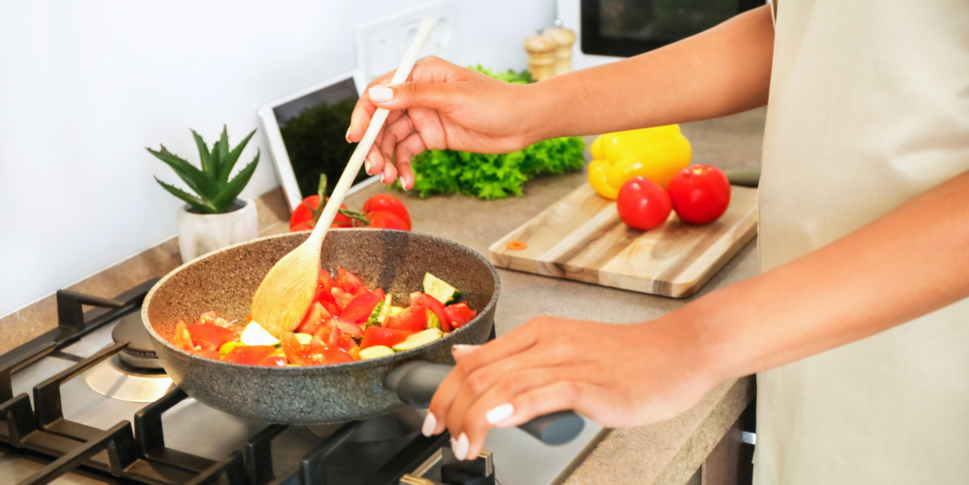
Cooking at home offers numerous advantages that can enhance both health and overall well-being. Engaging in home cooking often leads to a healthier diet and improved diet quality, as individuals have better control over ingredients and portion sizes. This practice enables the selection of fresh, nutritious foods, which can contribute to weight management and better health outcomes.
In addition to health benefits, cooking at home can also lead to significant cost savings compared to dining out or ordering takeaway. Preparing meals from scratch often proves to be more economical, and this added financial benefit can free up resources for other priorities. Furthermore, home cooking allows for creativity and experimentation, turning meal preparation into an enjoyable and fulfilling activity.
Moreover, the act of cooking can foster stronger relationships and create cherished memories. Sharing meals that have been lovingly prepared can strengthen bonds among family and friends, encouraging a sense of community. Embracing cooking at home not only promotes health and savings but also enriches personal connections.
Nutritional Advantages of Home-Cooked Meals
Cooking at home allows for greater control over ingredients, ensuring a focus on nutrition. This practice often results in a healthier diet, characterised by the inclusion of whole grains, healthy fats, and better portion management.
Whole Grains and Healthy Fats
Home-cooked meals frequently incorporate whole grains, which are packed with fibre and essential nutrients. Foods such as brown rice, quinoa, and whole wheat pasta support digestion and can lower the risk of heart disease and diabetes.
Healthy fats, such as those found in olive oil, nuts, and avocados, help improve cholesterol levels. Unlike processed options, which often contain unhealthy trans fats, home-cooked meals prioritise these beneficial fats. This combination not only enhances flavour but also promotes satiety, aiding in healthier eating patterns.
Portion Control and Caloric Intake
Cooking at home allows for precise portion control, which can effectively manage caloric intake. Individuals can tailor their meals to their specific dietary needs, avoiding oversized servings common in restaurant meals and takeaways.
This conscious approach to portion sizes helps in maintaining a balanced diet, reducing the risk of overeating. Ultimately, it supports weight management and can contribute to a lower likelihood of lifestyle-related conditions, such as diabetes.
Avoidance of Processed Foods and Unhealthy Fats
Home cooking encourages the use of fresh, whole ingredients, minimising reliance on processed foods. Processed options often contain high levels of sugar, sodium, and unhealthy fats, which can adversely affect health.
By avoiding these ingredients, individuals benefit from a decreased intake of empty calories and potentially harmful additives. It enables a greater focus on nutrition, promoting a diet that supports overall health and well-being. This shift away from processed foods plays a crucial role in fostering healthier eating habits.
Cost Efficiency and Budget Management
Cooking at home presents multiple avenues for cost efficiency and effective budget management. Through strategic grocery shopping, meal prep, and resourceful use of leftovers, significant savings can be achieved. Using budget-friendly proteins is one of the easiest ways to keep costs down. Ground meat is highly versatile and works well in a variety of family-friendly dishes. Many home cooks rely on simple mince beef recipes to create filling meals like pasta bakes or cottage pies without spending too much. These options are quick to prepare and can easily feed a large household. They also freeze well, so they are perfect for busy weeknights when time is short.
Grocery Shopping Strategies
Effective grocery shopping is pivotal for saving money. Creating a shopping list based on planned meals reduces impulse purchases. Additionally, buying in bulk can lower costs per unit, particularly for non-perishable items.
Utilising local markets may lead to fresher produce at competitive prices. Comparing unit prices on shelves also helps make informed choices. Furthermore, using coupons and discount cards can offer additional savings. Keeping track of expenses during shopping fosters better budget management.
Meal Prep and Planning
Meal prep and planning eliminate food waste and ensure healthier eating options. By preparing meals in advance, individuals can avoid the temptation of costly takeaways.
Setting aside time for meal prep each week can facilitate the use of seasonal ingredients, which are often cheaper and more flavourful. Batch cooking allows the preparation of large portions, which can be stored for later use, maximising efficiency. This method not only saves time during busy weekdays but also significantly reduces overall grocery costs.
Resourceful Use of Leftovers
Utilising leftovers is an effective way to enhance budget management. Transforming leftover ingredients into new meals can significantly reduce food waste.
For instance, stale bread can become croutons or bread pudding, while vegetable scraps can be turned into stocks. Planning meals that intentionally produce leftovers, such as soups or casseroles, can stretch ingredients further. This practice not only minimises waste but also maximises the value of each grocery item, leading to substantial cost savings.
Health and Safety Considerations in Cooking
Cooking at home presents unique health and safety challenges. Addressing food allergies, maintaining food safety, and adapting recipes for various dietary needs are crucial for a safe cooking environment.
Food Allergies and Dietary Restrictions
Food allergies affect many individuals and can lead to severe reactions. It is imperative to identify potential allergens in ingredients. Common allergens include nuts, dairy, gluten, and shellfish.
When preparing meals, always read labels carefully. Cross-contamination is also a risk; therefore, it is advisable to keep allergenic ingredients separate from others. For those with specific dietary restrictions, such as veganism or gluten intolerance, it is essential to substitute appropriate ingredients without compromising taste or nutrition.
Utilising resources like food allergy guides can assist in making safer choices in meal preparation.
Food Safety and Hygiene in the Kitchen
Maintaining high standards of food safety is vital in home cooking. Proper handwashing, especially before handling food, prevents the spread of bacteria.
Using clean utensils and cutting boards reduces the risk of cross-contamination. It is recommended to sanitise surfaces regularly, particularly after preparing raw meats.
Cooking food to the appropriate internal temperature kills harmful pathogens. A food thermometer can be a valuable tool in ensuring safety.
Proper storage is equally important; foods should be kept at the correct temperatures and within designated timelines to minimise spoilage and the risk of foodborne illnesses.
Adapting Recipes to Meet Dietary Requirements
Adapting recipes for specific dietary requirements ensures that everyone can enjoy a meal safely. For individuals with lactose intolerance, substituting dairy with plant-based options is effective.
Incorporating gluten-free grains, such as quinoa or rice, offers alternatives for those with gluten sensitivity.
Herbs and spices can enhance flavour in place of restricted ingredients, maintaining culinary enjoyment.
It is also useful to seek out resources that provide guidance on adapting classic recipes to meet various dietary needs. This approach not only accommodates but can also introduce new flavours and health benefits.
Social and Emotional Aspects of Home Cooking
Home cooking brings various social and emotional advantages that significantly impact well-being and relationships. Engaging in cooking activities can boost mental health, create social bonds, and offer valuable learning experiences.
Mental Health Benefits and Relaxation
Cooking at home can serve as a therapeutic activity. Engaging in food preparation allows individuals to focus on the task, promoting mindfulness. This practice can alleviate stress by diverting attention from daily pressures.
The process of measuring, mixing, and cooking can be rhythmic, providing a sense of calm. Many find joy in the sensory aspects of cooking, from the sounds of chopping to the aroma of spices. These experiences can enhance mood and foster emotional resilience.
Fostering Social Connections Through Food
Food has the power to bring people together. Home cooking encourages shared meals, which can strengthen family bonds and friendships. Gatherings like potlucks promote a sense of community and allow acquaintances to connect over shared dishes.
Sharing a meal often leads to conversations and interpersonal interactions. Cooking for others demonstrates care and can enhance relationships, providing an avenue for emotional support and connection.
Educational Value of Cooking Instruction
Learning to cook at home offers educational opportunities that extend beyond the kitchen. Cooking classes teach practical skills, nutritional knowledge, and food safety. Understanding these aspects can empower individuals to make healthier choices.
Passing down family recipes fosters a sense of heritage and belonging. Instruction in cooking can also instil confidence, especially in children. They develop valuable life skills that extend into adulthood, promoting independence.