
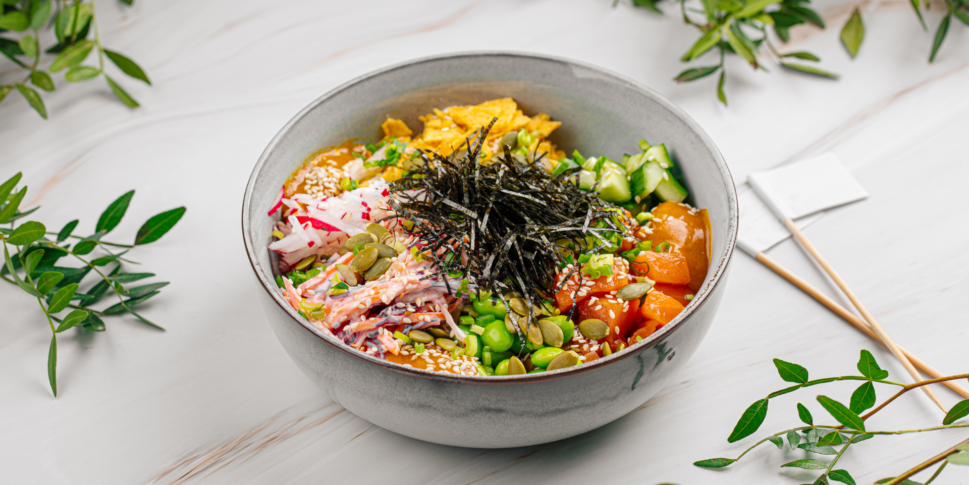
Mastering portion control is essential for anyone seeking to maintain a balanced diet and prevent overeating. Adopting simple strategies can lead to healthier eating habits and successful weight management. By being mindful of portion sizes, individuals can enjoy their favourite foods without compromising their health.
Understanding how much food to serve can help reduce the temptation to overeat. Techniques such as using smaller plates, reading food labels, and practicing mindful eating can support better choices. These tactics not only promote a healthier relationship with food but also encourage sustained energy levels throughout the day.
With a keen focus on portion control, anyone can take significant strides towards achieving their health goals. Implementing these practical tips can make the journey towards a healthier lifestyle more manageable and enjoyable.
Understanding Portion Control
Portion control plays a significant role in maintaining a healthy diet and managing calorie intake. By grasping the principles behind portion sizes and their effects on health, individuals can better navigate their eating habits.
The Impact of Portion Sizes on Health
Portion sizes directly influence daily calorie intake and can contribute to overeating. Research indicates that larger portions often lead to an increase in food consumption, regardless of the food’s nutritional value.
This trend is linked to a rise in obesity rates and associated health conditions, such as type 2 diabetes. Smaller portion sizes help in achieving energy balance and meeting nutritional needs without excessive calorie intake.
The Science Behind Satiety
Satiety refers to the feeling of fullness after eating. It can be affected by various factors, including the composition of meals and serving sizes. Foods high in protein and fibre are known to enhance satiety, helping individuals feel satisfied with smaller portions.
Understanding the physiological signals of hunger and fullness can also guide better eating choices. Listening to these cues reduces the likelihood of overeating and promotes healthier eating patterns over time.
Visual Cues and Dinnerware
Visual cues play a crucial role in portion control. The size and design of dinnerware can trick the brain into perceiving portion sizes. Using smaller plates and bowls can create the illusion of larger servings, leading to reduced food intake.
Additionally, plating methods, such as arranging food aesthetically, can influence perceptions of portion size and satisfaction. Adopting mindful eating habits alongside appropriate dinnerware choices can significantly improve portion control efforts.
Practical Tips for Portion Control
Implementing effective portion control strategies is crucial for maintaining a balanced diet. The following methods can assist individuals in managing their serving sizes and promoting healthier eating habits.
Using Smaller Plates and Dinnerware
Choosing smaller plates and dinnerware can significantly affect portion sizes. Research shows that using smaller items can help create the illusion of a fuller plate. For instance, a standard dinner plate typically measures 12 inches in diameter, while a smaller plate can be around 9 inches.
Key Benefits:
- Visual cues: A smaller plate makes portions appear larger.
- Reduced food waste: Serving less reduces leftovers and unnecessary waste.
By consciously opting for smaller dinnerware, individuals can better control their portions without feeling deprived.
The Role of Food Labels
Food labels provide essential information about serving sizes and nutritional content. Understanding food labels can help individuals make informed decisions about what they consume.
What to look for:
- Serving size: Indicates how much of the product is considered one serving.
- Calories per serving: This is Essential for tracking daily caloric intake.
- Nutritional information: Helps assess whether a specific food aligns with dietary goals.
By paying attention to labels, individuals gain control over their portions and can prevent overeating.
Mindful Eating Techniques
Practising mindful eating techniques encourages awareness during meals. This approach helps individuals recognise hunger and satiety cues, reducing the likelihood of overeating.
Key strategies include:
- Eat slowly: Taking time to chew and savour each bite enhances satisfaction.
- Limit distractions: Eating without electronic devices promotes focus on food.
- Listen to your body: Recognising fullness signals can prevent excessive food intake.
Mindful eating habits contribute to healthier relationships with food and improve portion control.
Measuring and Estimating Serving Sizes
Using measuring tools is an effective way to manage portion sizes. Measuring cups, spoons, and food scales provide accurate serving measurements, which can aid in portion control.
Helpful tips:
- Use measuring cups: Ideal for liquids and dry ingredients.
- Food scales: Great for ensuring precise serving sizes, particularly for protein sources.
- Visual estimates: Familiarity with visual cues helps when measuring tools are unavailable.
Estimating serving sizes can lead to more consistent portion control and healthier eating patterns.
Maintaining a Balanced Diet
A balanced diet is essential for effective portion control. It enables optimal nutrition while promoting healthy food choices and a moderate intake of various food groups.
Incorporating a Variety of Food Groups
Incorporating a range of food groups ensures a well-rounded nutrient profile. Aim to fill plates with vegetables, fruits, whole grains, lean proteins, and healthy fats.
- Vegetables: These should form a large part of any meal. They are low in calories and high in vitamins, minerals, and fibre.
- Proteins: Choose lean sources such as chicken, fish, beans, and legumes. They are vital for muscle repair and satiety.
- Healthy Fats: Include unsaturated fats from sources like avocados and nuts. These can enhance flavour and nutrient absorption.
A diverse plate not only satisfies hunger but also fosters balanced nutrition.
Understanding Energy Density of Foods
Energy density refers to the number of calories in a given weight of food. Foods that are low in energy density, like fruits and vegetables, provide fewer calories but high volumes.
Examples of Low Energy Density Foods:
- Leafy greens
- Berries
- Soup broths
In contrast, high-energy density foods, such as fried items and sweets, are calorie-rich but don’t fill the stomach as much. Opting for low energy density foods can help manage food intake while still feeling full.
Maintaining Nutritional Balance
Maintaining nutritional balance involves considering the proportions of various food groups. The focus should be on moderation, ensuring that no single group is overrepresented.
A helpful guideline is the plate method:
- Half the plate should be vegetables and fruits.
- A quarter of it should be whole grains.
- A quarter for proteins.
Incorporating this method regularly promotes balanced choices and mindful eating. Individuals should also pay attention to serving sizes to ensure they do not exceed their daily nutritional needs.
Lifestyle and Behavioural Strategies
Implementing specific lifestyle and behavioural strategies can significantly enhance portion control. These methods help individuals develop healthier eating habits and respond better to their body’s hunger cues, ultimately supporting weight loss goals.
Meal Planning for Better Portion Control
Meal planning is essential for maintaining appropriate portion sizes. By preparing meals in advance, individuals can control ingredients, optimise nutritional value, and avoid impulsive eating. Using containers to portion out meals can further enforce boundaries, ensuring proper serving sizes.
Creating a weekly meal plan allows for a balanced diet that includes a variety of foods. This diversity promotes satiety and reduces the chances of snacking on unhealthy options. When shopping for groceries, focusing on whole foods and avoiding pre-packaged items can enhance meal quality and support energy balance.
Handling Leftovers and Dining Out
Managing leftovers is key to controlling portions at home. Dividing meals into appropriate servings immediately after cooking can prevent overeating. Storing some portions in the freezer ensures that they remain fresh for later, aiding in convenience without sacrificing portion control.
When dining out, it’s beneficial to apply the 20-minute rule. Allowing time between courses can help gauge hunger levels, leading to more thoughtful eating. Additionally, requesting smaller portions or sharing dishes may prevent excessive intake, supporting healthier eating habits without feeling deprived.
The Importance of Regular Physical Activity
Regular physical activity plays an integral role in effective portion control. It not only helps manage weight but also enhances one’s ability to recognise hunger cues and satiety signals. Incorporating exercise into daily routines increases metabolic rates and can empower individuals to make better food choices.
Engaging in fitness activities can boost motivation for maintaining a balanced diet. By pairing exercise with mindful eating practices, individuals are more likely to sustain a healthier lifestyle. This synergy contributes to overall well-being and reinforces long-term commitment to weight management.